 FloodLine
Our approach
Flood resilience shouldn't be so difficult to navigate. We bring together information, technology, funding, and local services to help people understand their risks, navigate their options, and take action. Starting in New York City, we’re creating a model that can help communities prepare for, respond to, and recover from flooding everywhere.
Flood help exists. It’s fragmented.
Funding, programs, services, and expertise exist, but they're scattered across agencies, organizations, and platforms. People are left to navigate a complicated system when they need help most.
The same questions return with every storm.
Attention spikes with the water, then disappears.
Today, every step is a different app.
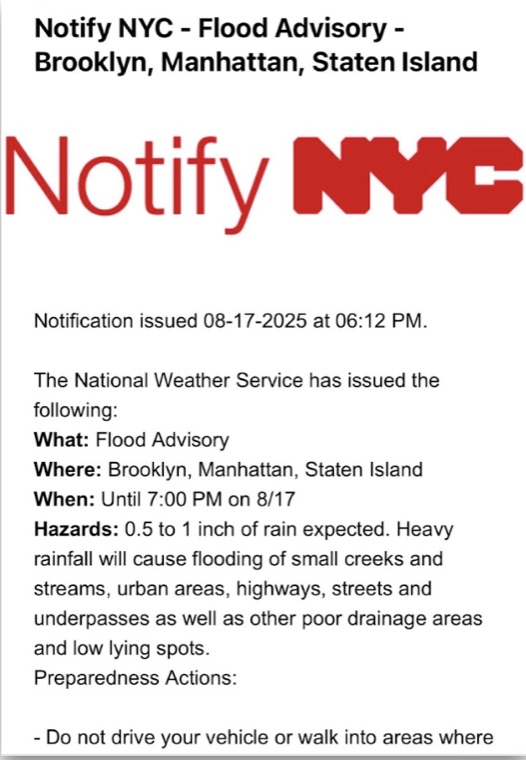
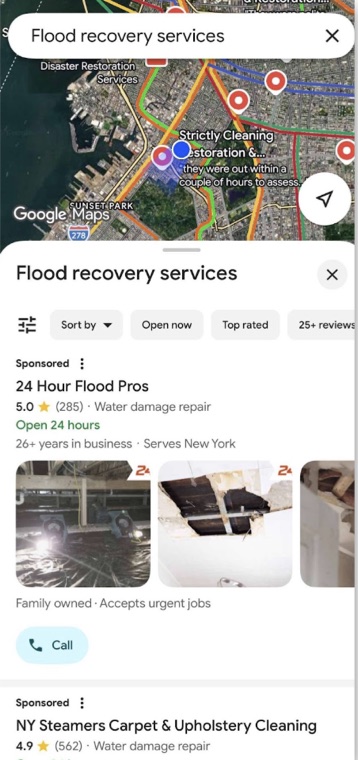
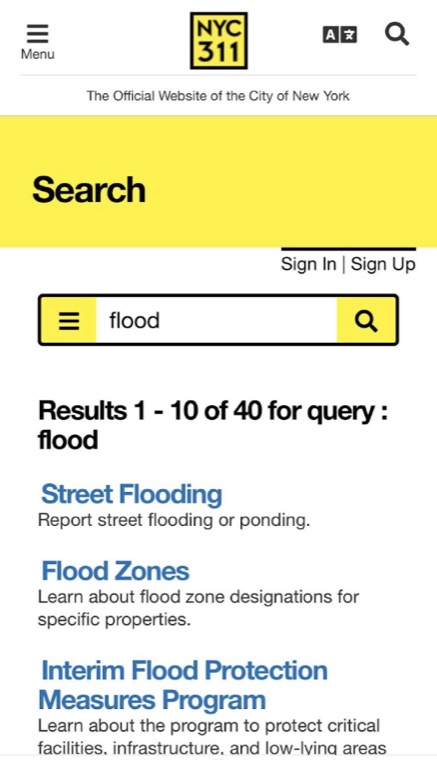
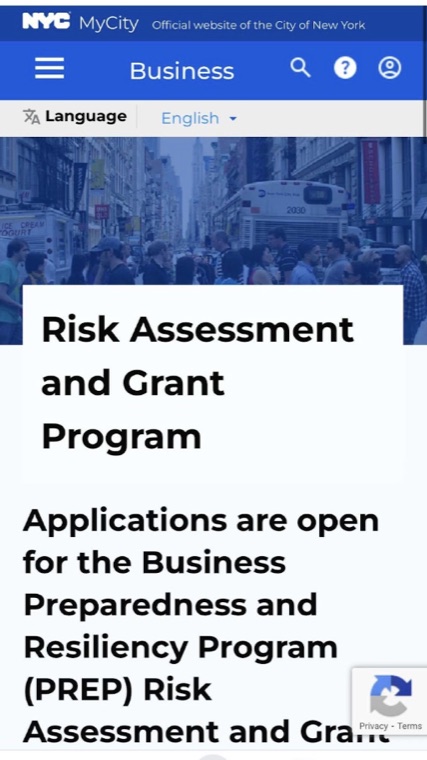
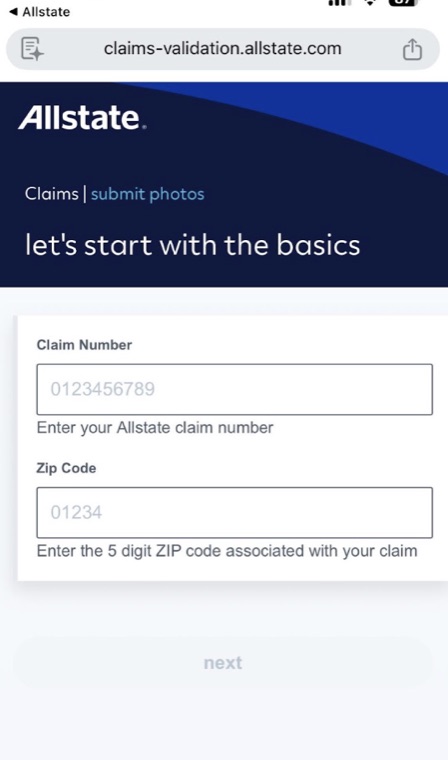
Too many solutions. Too little guidance.
From simple, low-cost fixes to major property improvements, flood protection comes in many forms. But knowing what works, what it costs, and where to start isn't easy. FloodLine helps people identify the right solutions for their needs, risks, and budgets.
Same flood, different circumstances.
Flooding affects homeowners, renters, and small businesses differently. Each faces unique responsibilities, resources, and barriers to recovery. FloodLine provides guidance tailored to what people need and what they can actually do.
| Homeowners | Renters | Small businesses | |
|---|---|---|---|
| Shared challenges |
| ||
| Different responsibilities and constraints |
|
|
|
The future
We're starting with flooding in New York City, but the challenge exists everywhere. Our goal is to build the infrastructure that connects people, information, funding, and services to make resilience easier to access and implement in every community.
Compare trusted and curated solutions
Connect with local providers
From one city to every community that floods.
- Prove it locallyNowConnect residents, resources and providers across New York City, one block at a time.
- Build the networkBring more communities, organizations and solutions into one connected system.
- Scale the platformAdapt the model to new cities and to other climate resilience challenges.
Hyper-local is the advantage.
Flooding happens block by block, so the help has to be local too. Technology lets FloodLine reach every block; local people are what make the help work.