About FloodLine
FloodLine is a climate technology company building neighborhood-scale digital infrastructure for flood mitigation, preparedness, response, and recovery. We equip Business-Serving Organizations (BSOs), property stakeholders, and small businesses with hyper-local tools that translate flood risk into clear, coordinated action.
We design platforms that make distributed action visible and measurable. At the building scale, that means helping property stakeholders reduce water entry and document impacts. At the corridor scale, it means enabling coordinated communication and high-density data collection. At the watershed scale, it means translating individual mitigation decisions into collective resilience outcomes.
FloodLine operates through two complementary platforms: Blue Dots and Blue Dots Urgent.
Blue Dots focuses on long-term micro-mitigation planning, helping property owners implement and quantify distributed strategies that reduce peak stormwater flows and infrastructure strain.
Blue Dots Urgent provides real-time coordination, documentation, and recovery tools during flood events, turning street-level impacts into verified datasets and actionable guidance.
Together, these platforms connect structural mitigation with operational response. FloodLine is building the street-level intelligence layer that helps neighborhoods move from flood risk to coordinated solutions.
Our StoryFloodLine began with a shared realization that the tools supporting small businesses before, during, and after floods were fragmented—despite the growing urgency on the ground.
In the summer of 2025, we connected through overlapping work in New York City’s flood preparedness and resilience ecosystem. Although we were approaching the problem from different angles, we kept encountering the same breakdowns in communication, documentation, and recovery.
Wil Jones and Zoe Voss Lee were building community-scale tools through the Cloudburst Collective, focused on flood preparedness, documentation, and resilience planning. At the same time, Nick Nyhan was leading City Sponge and had developed FloodChat, a trusted multilingual flood preparedness and response tool already used by community organizations and small businesses. While these efforts began independently, it became clear they addressed complementary parts of the same system, and that bringing them together could unlock greater impact.
In the fall of 2025, we began collaborating to prototype FloodLine, integrating real-time communication, verified damage documentation, and localized guidance into a single platform designed for business-serving organizations.
Our Team
New Yorkers with one mission: Building solutions-oriented tools that leverage data to help local economies prepare for floods, respond in real time, and recover faster.

Founder, CEONick Nyhan is a seasoned entrepreneur with a proven track record of scaling data-driven platforms, from concept and piloting, to investment and growth, to successful acquisition. As Chief Digital Officer in WPP (Kantar), he saw first hand how data ideas get built and scale across a $4B company, as well as the buy/build/partner decisions along the way. His expertise spans market research, digital publishing, sales strategy, and stakeholder alignment. Additionally, he has diverse experience in community organizing and local/national campaigns, covering topics from plumbing to policy. He bridges the gap between complex marketplace needs, technology and local adoption, ensuring trust and impact at the grassroots level.
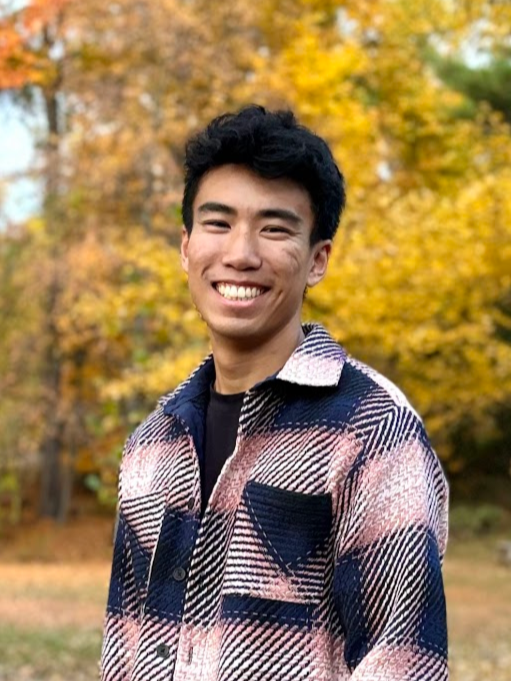
Product & Community Platforms LeadGibson is a NYU and UC Berkeley trained leader, building civic products for complex urban systems, having previously led teams across search, recommendation and other data systems across various marketplaces, including labor, e-commerce, and healthcare. His work today focuses on bridging the gap between product development, data, urban planning, policy goals, and community needs to make public information easier to use in moments of uncertainty. Gibson leads development for Floodline, translating flood preparedness, response, and recovery needs into practical tools for New Yorkers. He also writes about urban technology and policy at In Spaces.
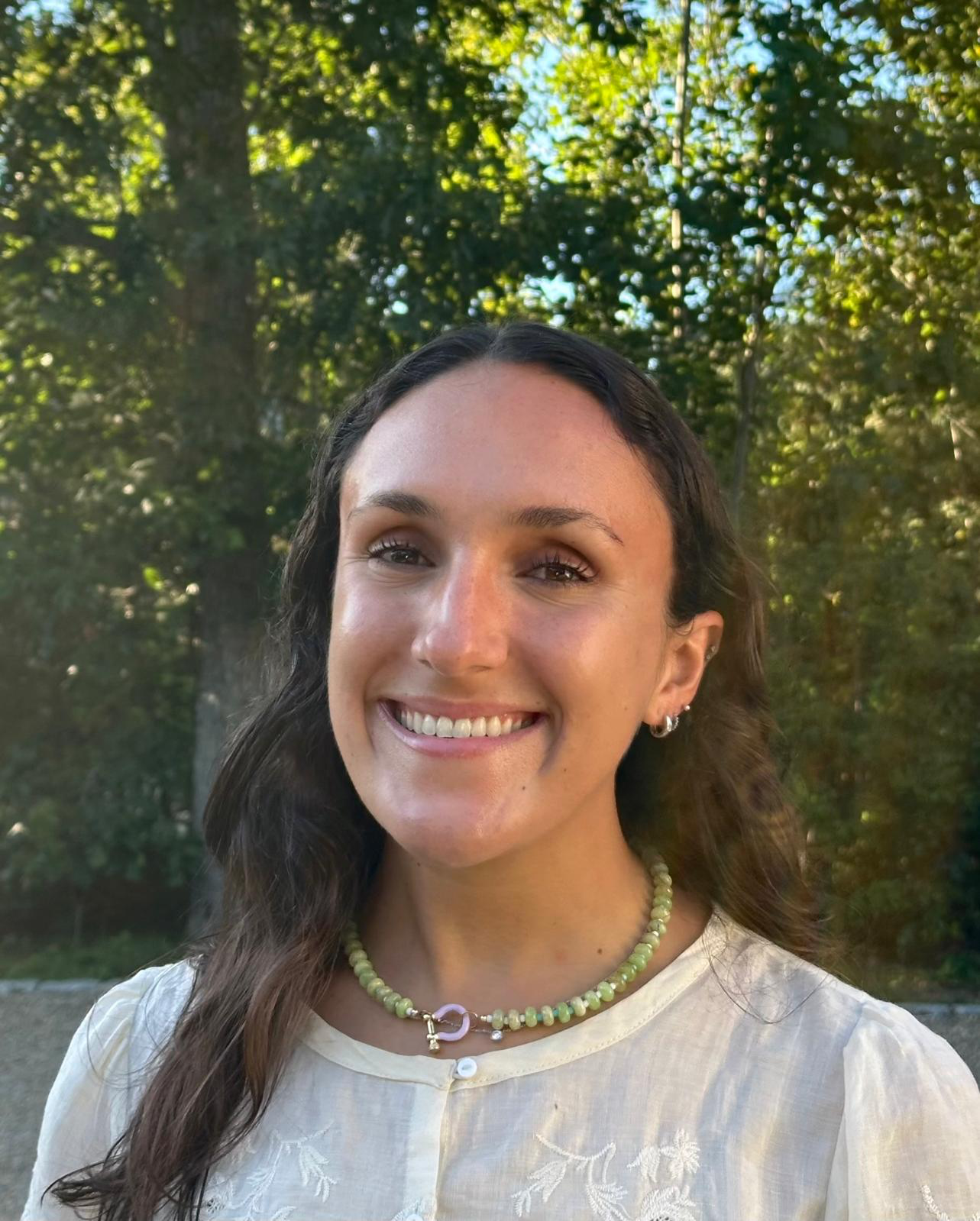
Community Resilience & Strategic Operations
Rebecca is a Master of Urban Planning candidate at NYU Wagner, studying climate resilience and adaptation planning. She holds a BA in Environmental Studies from Colgate University, and worked in development on a global conservation team at The Nature Conservancy before shifting to planning. She researches climate policy at Rebuild by Design, and supports the NY State Adapation Practitioners Network to advance climate resilience through partnerships, knowledge sharing, and convening. She serves as Co-Editor of The Wagner Planner where she writes about flooding, urban water infrastructure, and adaptation solutions. At Floodline, she focuses on neighborhood strategies to flooding through community engagement and partnerships.
Collaborators & Alum
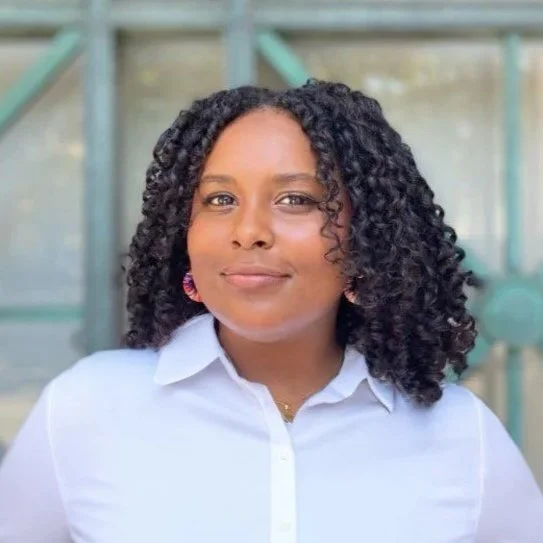
Maysaa is an urban AI researcher and open-source intelligence practitioner focused on how data is produced and mobilized in contexts of conflict, climate risk, and urban inequality. She has led mapping initiatives tracking violence and displacement in Sudan and developed AI-driven assessment tools for organizations including the United Nations Development Programme. Her work combines satellite imagery analysis, machine learning, geospatial modeling, and participatory research. At FloodLine, Maysaa leads the development of ethical data infrastructures and AI systems that ensure communities most affected by climate risk are empowered to shape the systems that govern their cities.
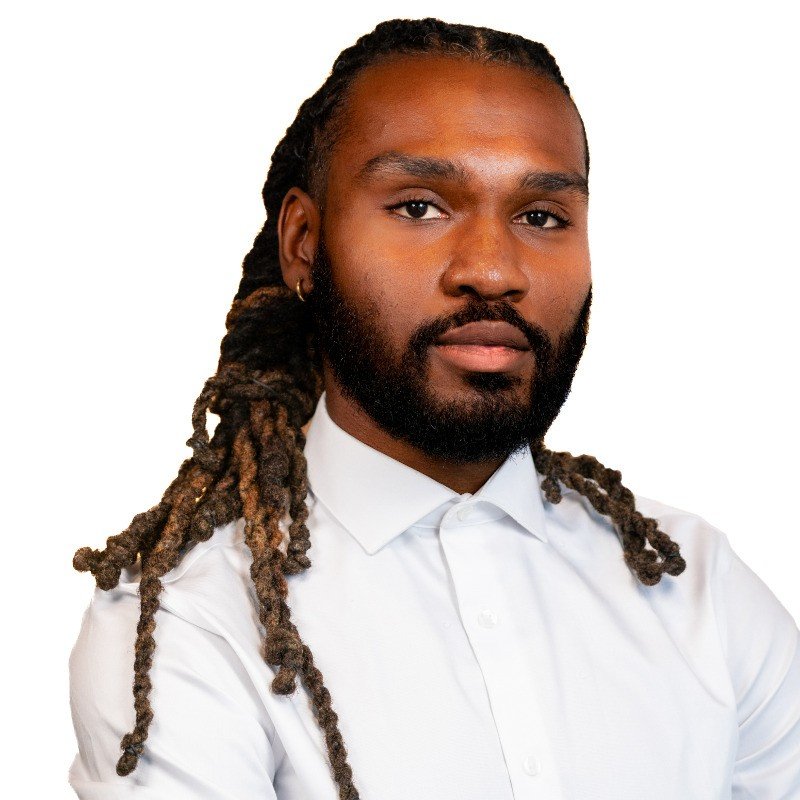
AdvisorsWil is an MIT-trained and NYC-based urban planner and technologist focused on climate resilience, public-sector product design, and community data governance. Previously a Senior Program Officer at The Rockefeller Foundation, Wil managed a $46M portfolio supporting more than 7,500 small businesses through place-based investment and recovery strategies. He is a co-founder of GROUND3D and the Cloudburst Collective, where he has led building partnerships with communities. At FloodLine, Wil works at the intersection of policy, partnerships, and product strategy—translating street-level conditions into actionable intelligence that supports recovery and long-term investment.

AdvisorsZoe is an MIT-trained spatial data expert and product leader focused on community-scale preparedness and recovery. She led the development of New York City’s first Environmental Justice Mapping Tool and brings training in GIS, public policy, and climate resilience at the building, neighborhood, and city scales. Zoe is a co-founder of GROUND3D and the Cloudburst Collective, where her work centers on using data to support collective power-building and inclusive economic development. At FloodLine, Zoe leads business strategy through the lend of product development and implementation, ensuring the platform is grounded in real-world workflows and remains usable under crisis conditions.